fallopian tube
US
・UK
A1
n.NounEither of a pair of tubes along which eggs travel from the ovaries to the uterus.
The egg travels through the fallopian tube to the uterus.
Video subtitles
Your Menstrual Cycle Is More Than Just Your Period

- And this tells the mature follicle that it's go-time.The follicle starts talking to the fallopian tube, and the fallopian tube
And this tells the mature follicle that it's go-time.The follicle starts talking to the fallopian tube, and the fallopian tube
- And then, the fallopian tube actually like reaches out with its fingerlike tips and scoops up the egg.
And then, the fallopian tube actually like reaches out with its fingerlike tips and scoops up the egg.
Pregnancy and Reproduction Explained

- The sperm must travel up to the fallopian tube and unite with an egg.
The sperm must travel up to the fallopian tube and unite with an egg.
- The fertilized egg travels down the fallopian tube to the uterus and implants in the wall, and then the process of pregnancy has begun.
The fertilized egg travels down the fallopian tube to the uterus and implants in the wall, and then the process of pregnancy has begun.
What is Puberty? Decoding Puberty in Girls

- Every month until menopause, your body passes an egg from your ovaries through the fallopian tube, into the uterus which at this point, is lined with blood and extra tissue which would help nourish and protect a hypothetical baby.
Every month until menopause, your body passes an egg from your ovaries through the fallopian tube, into the uterus which at this point, is lined with blood and extra tissue which would help nourish and protect a hypothetical baby.
- Every month until menopause, your body passes an egg from your ovaries through the fallopian tube into the uterus, which, at this point, is lined with blood and extra tissue, which would help nourish and protect a hypothetical baby.
Every month until menopause, your body passes an egg from your ovaries through the fallopian tube into the uterus, which, at this point, is lined with blood and extra tissue, which would help nourish and protect a hypothetical baby.
Why am I Having Trouble Getting Pregnant? - In Conversation with Dr. Rodi (CC available)

- Fertilization occurs in the fallopian tube, and then the embryo goes down to the uterus.
Fertilization occurs in the fallopian tube, and then the embryo goes down to the uterus.
- fertilization occurs in the fallopian tube, and then the embryo
fertilization occurs in the fallopian tube, and then the embryo
The Science of 'Plan B' - Emergency Contraception

- Instead, the sperm must undergo a few biological changes in the fallopian tube first, which takes time.
Instead, the sperm must undergo a few biological changes in the fallopian tube first, which takes time.
- fallopian tube first which takes time. This is why emergency contraception is
fallopian tube first which takes time. This is why emergency contraception is
Fertilization
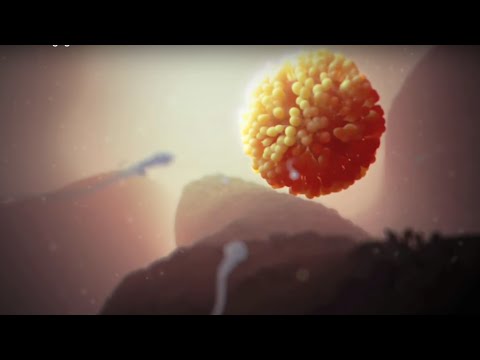
- Next half the sperm head for the empty Fallopian Tube while the other half swim toward the Tube containing the unfertilized egg
Next half the sperm head for the empty Fallopian Tube while the other half swim toward the Tube containing the unfertilized egg
- Next, half the sperm head for the empty fallopian tube, while the other half swim toward the tube containing the unfertilized egg.
Next, half the sperm head for the empty fallopian tube, while the other half swim toward the tube containing the unfertilized egg.
Fact check: Is the birth control pill carcinogenic? | DW News
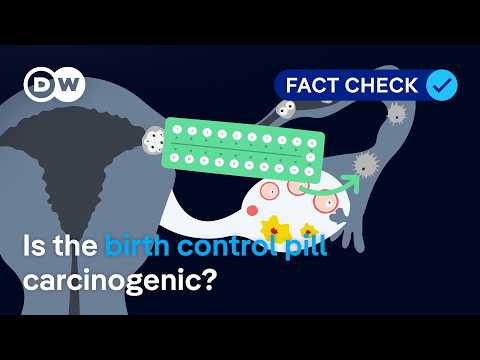
- Normally, the lining allows a fertilized egg, which is fertilized in the fallopian tube, to nest and then develop.
Normally, the lining allows a fertilized egg, which is fertilized in the fallopian tube, to nest and then develop.
- Normally, the lining allows a fertilized egg, which is fertilized in the fallopian tube, to nest and then develop.
Normally, the lining allows a fertilized egg, which is fertilized in the fallopian tube, to nest and then develop.
Pregnancy: A Month-By-Month Guide | 3D Animation

- Over the next several days, the fertilized egg will start dividing into multiple cells as it travels down the fallopian tube, enters your uterus, and burrows into the uterine lining.
Over the next several days, the fertilized egg will start dividing into multiple cells as it travels down the fallopian tube, enters your uterus, and burrows into the uterine lining.
Can A Man Get Pregnant?

- This can happen when, after conception, the egg moves towards the uterus but falls out of the fallopian tube into the abdomen.
This can happen when, after conception, the egg moves towards the uterus but falls out of the fallopian tube into the abdomen.